Over 20 years of technical excellence in activated carbon manufacturing, sustainable raw material sourcing, and precision adsorption science.
A1 Catalyst Solutions was founded on a singular core mission: to provide global industrial, municipal, and metallurgical enterprises with transparent, high-performing activated carbon solutions directly from premier Southeast Asian steam-activation kilns.
For more than two decades, our team has partnered with leading multinational water treatment companies, state municipal authorities, mining consortia, and environmental engineering firms across North America, Europe, and Asia-Pacific.
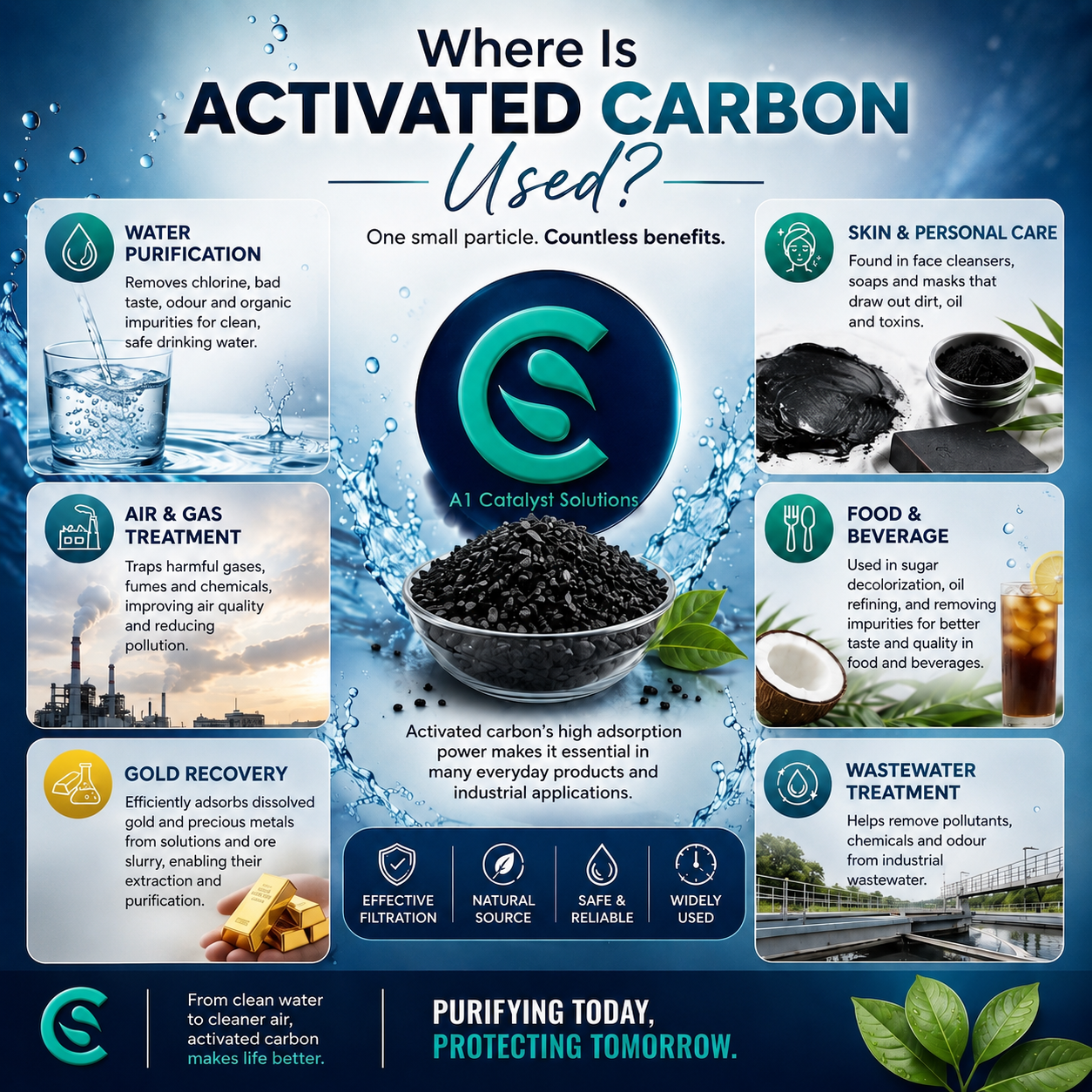
Activated carbon is not generic. The performance of any carbon bed depends on the distribution of its internal pore matrix.
Extremely high internal surface area. Dominant in steam-activated coconut shell carbon. Ideal for capturing small molecular contaminants: PFAS/PFOA, chlorine, trihalomethanes, and volatile organic solvents.
Intermediate transport conduits. Characteristic of bituminous coal and reagglomerated carbons. Excellent for medium-sized organic molecules, humic acids, dyes, and industrial wastewater polishing.
Entry channels allowing large fluid flow and rapid kinetic diffusion to the core adsorption sites. Prominent in chemically activated wood carbons designed for decolorizing large molasses and food color bodies.
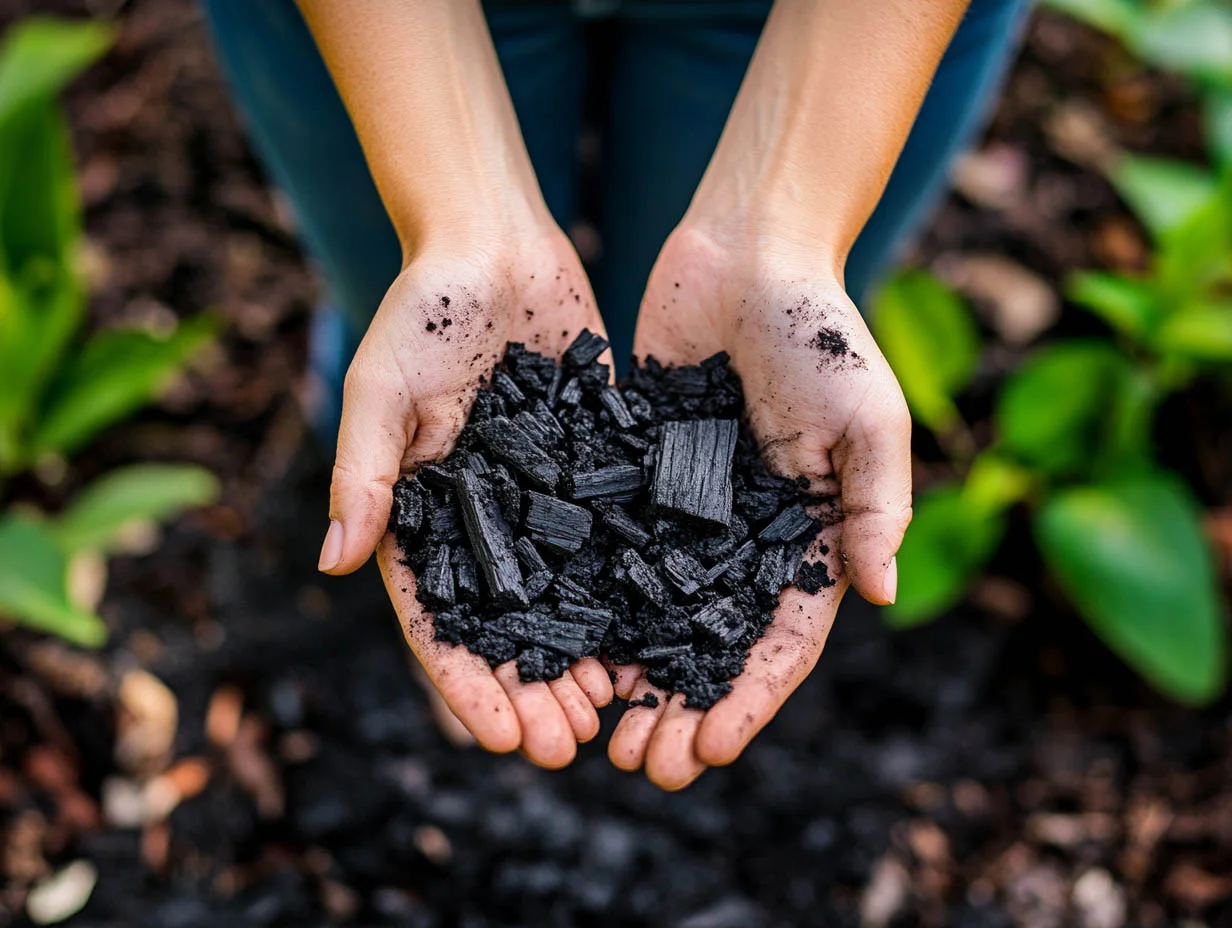
Our flagship coconut shell activated carbons represent the gold standard in sustainable, closed-loop environmental media. Coconut shells are an agricultural byproduct that requires zero deforestation.
Through high-efficiency rotary kiln steam activation, the process yields carbon with up to 1300 m²/g surface area with minimal carbon dioxide emissions compared to mined fossil-fuel coal carbon.
